Image of the Day: Magnolia 2
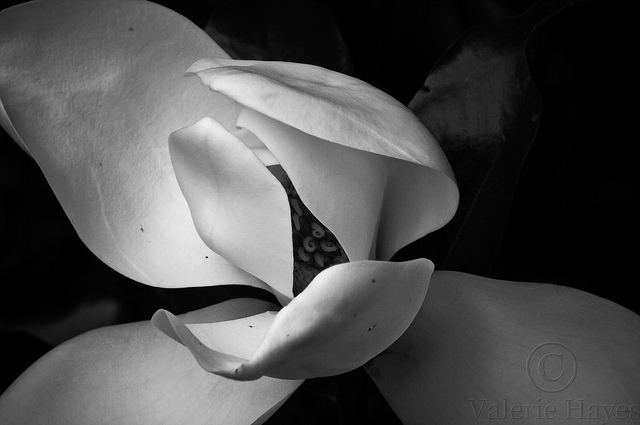
Magnolia 2 | Flickr – Photo Sharing!.
“To kill an error is as good a service as, and sometimes even better than, the establishing of a new truth or fact.”
~Charles Darwin
Magnolia 2 | Flickr – Photo Sharing!.
“To kill an error is as good a service as, and sometimes even better than, the establishing of a new truth or fact.”
~Charles Darwin
Tags: 365, Black and White, Georgia nature, Southern Magnolia
This entry was posted on Wednesday, March 21st, 2012 at 9:43 pmand is filed under . You can follow any responses to this entry through the RSS 2.0 feed. You can leave a response, or trackback from your own site.
Yesterday CC the sloth (from Staten Island zoo) and I went on the Today show to talk about my new book, A LITTLE BOOK OF SLOTH. I was nervous that the studio would freak her out but she seemed totally at home with all the attention. Even when the make up girls combed her hair so she looked all pretty for the show. But then sloths have very poor eyesight so perhaps she was blissfully unaware of her momentary celebrity.

Massive Bird Nests Built on Telephone Poles in Southern Africa are Home to Multiple Species of Birds
by Christopher @ Colossal
No these aren’t haystacks stuck in a phone pole. Visit the Kalahari Desert in the south of Africa and you’re bound to run into a peculiar animal called the Sociable Weaver Bird. The birds are called “social” not just because they live in organized colonies, but because they build massive homes out of sticks, grass and cotton that are home to several other kinds birds. That’s right, the nests are so large that birds of other species are welcome to setup shop, not the least of which is the South African pygmy falcon which lives exclusively inside the social weaver’s nests that often accomodate over 100 birds at at time. Via the San Diego Zoo:
The sociable weaver’s nest sees plenty of guests—a regular Kalahari Desert inn! The South African pygmy falcon Polihierax semitorquatus relies completely on the sociable weavers’ nest for its own home, often nesting side by side with the sociable weavers. The pied barbet, familiar chat, red-headed finch, ashy tit, and rosy-faced lovebird often find comfort in the cozy nesting chambers, too. Vultures, owls, and eagles will roost on the nests’ broad roof. Why are weavers willing to share the huge nest they worked so hard to make? More residents mean more eyes keeping a watch for danger. And the weavers often learn from the other birds where new sources of food can be found.
Photographer Dillon Marsh has a lovely series of weaver bird nest photographs titled Assimilation that are well worth a look.

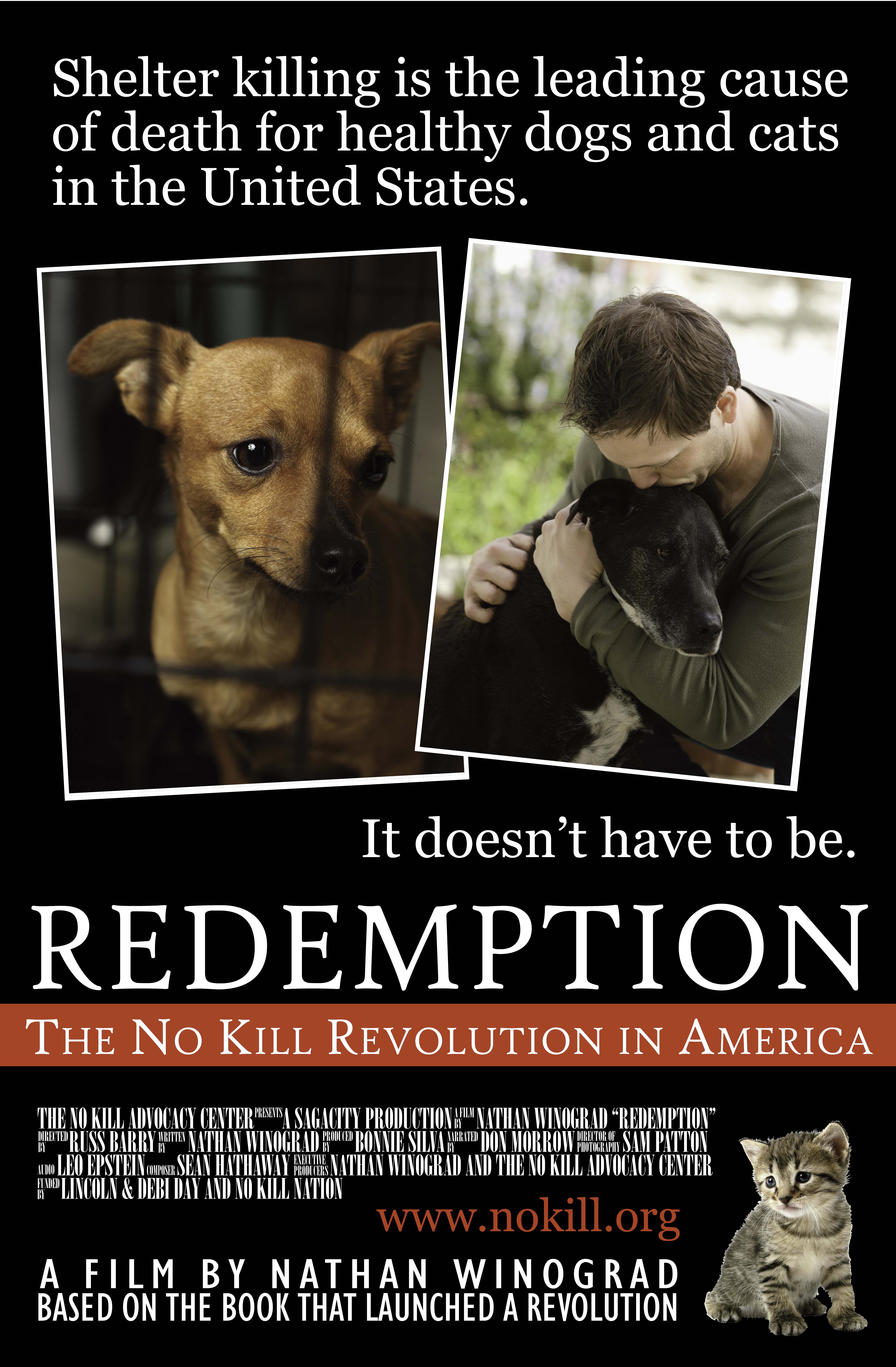
The newest tool from the No Kill Advocacy Center: What’s in a Name? As No Kill advocates seek to pass progressive shelter reform legislation in communities and states throughout the country, time and again their fiercest opponents are organizations with names that allow them to masquerade as something they are not. What’s in a Name? from the No Kill Advocacy Center will allow legislators and policy makers to understand why groups like HSUS and the ASPCA oppose badly needed shelter reform legislation. To print or download it for FREE, click here.
For our shelter reform guides, including How Does Your Community’s Shelter Measure Up?, No Kill 101, Dollars & Sense, and more, visit our No Kill Advocate’s Toolkit by clicking here.

March 22nd, 2012 at 10:49 pm
The magnolias are beginning to blossom here in southeast MO. When I moved here about 18 years ago, I had no idea what these trees and flowers looked like; your photo is exquisite. And so is the quote.
March 23rd, 2012 at 7:20 pm
Thanks Roberta!